Blind Tasting Wine: Is it just a fun party trick or a craft you can actually train?
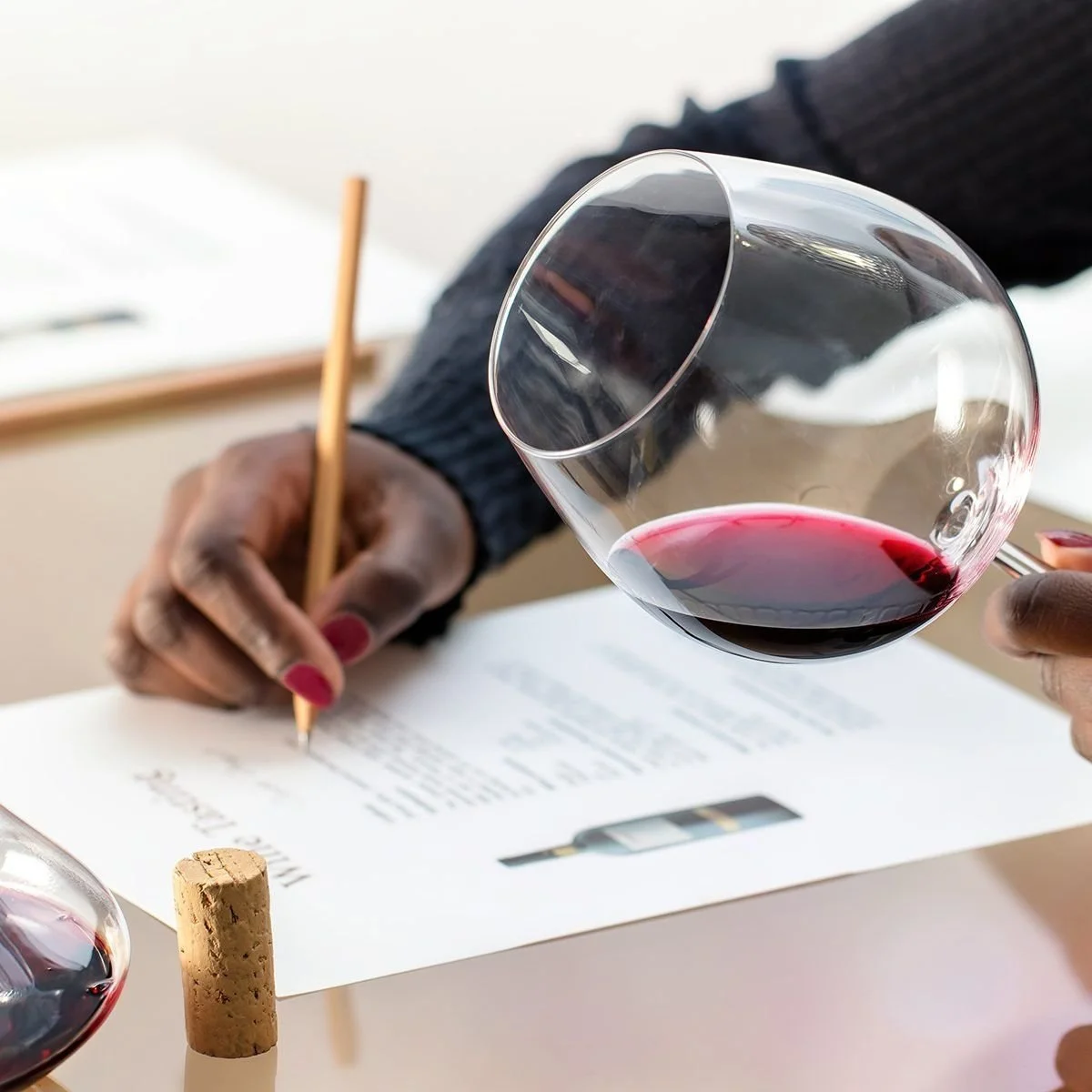
Blind tasting is one of the most powerful tools in wine education. Whether used by professionals preparing for certification exams or by friends hosting a relaxed wine night, it helps remove bias and sharpens the senses. With the label, producer, and price hidden, tasters must rely solely on what’s in the glass. This approach encourages a deeper, more thoughtful evaluation of wine and allows drinkers to appreciate its true character, free from preconceived expectations. Blind tasting also sparks some of the most engaging conversations. Beyond discussing aromas, flavors, and structure, it often brings up memories, stories, and shared experiences that make the moment even more memorable.
Why Blind Taste Wine?
Blind tasting serves many purposes, ranging from fun social activities to rigorous professional training. For many wine lovers, it begins as a lighthearted challenge. Guessing the grape variety, region, vintage, or price of a wine can quickly become a lively and engaging game. Yet beneath the fun lies a powerful learning tool.
One of the greatest benefits of blind tasting is the ability to rank wines objectively. Without knowing the label or reputation of a bottle, tasters evaluate wines purely on their sensory qualities. This often leads to surprising results, with lesser-known or more affordable wines sometimes outperforming famous labels. Blind tasting also helps sharpen tasting skills. By focusing on a wine’s appearance, aromas, and flavors, tasters gradually develop the ability to recognize subtle differences between wines. Over time, this improves sensory memory and builds confidence in describing wine. For more advanced students, blind tasting provides an opportunity to apply theoretical knowledge. By analyzing clues such as fruit character, acidity, tannins, and oak influence, experienced tasters can make educated guesses about the grape variety, region, vintage, or quality level.
These skills are essential for certifications offered by organizations such as the Court of Master Sommeliers (CMS), the Wine & Spirit Education Trust (WSET), and the Institute of Masters of Wine. Another major advantage of blind tasting is that it removes bias. Labels, price tags, and reputation can strongly influence perception. When those factors are hidden, tasters discover what they genuinely enjoy rather than what they think they should enjoy.
Recognizing Wine Faults
Before analyzing a wine’s style or origin, it is important to determine whether the wine is sound. Several common faults can affect wine.
One of the most well-known faults is cork taint, caused by the compound 2,4,6-Trichloroanisole (TCA). Wines affected by TCA are often described as “corked,” showing aromas of damp cardboard, wet newspaper, or a musty basement.
Oxidation occurs when wine is exposed to too much oxygen. Oxidized wines may appear darker in color, often brown or amber, and display aromas such as caramel, toffee, coffee, or honey.
Sometimes a wine is simply out of condition, meaning it has lost its freshness and vibrancy due to age or improper storage.
Another potential issue is Brettanomyces, often called “Brett,” a yeast that can produce aromas reminiscent of barnyard, leather, plastic, or animal notes. While small amounts may add complexity in certain wines, excessive Brett is generally considered a flaw.
Understanding Wine Aromas
When tasting wine, aromas and flavors are typically grouped into three categories based on their origin.
Primary characteristics come directly from the grape variety. These include fruit, floral, and herbal notes such as cherry, blackberry, lemon, peach, rose, violet, mint, or bell pepper.
Secondary characteristics develop during winemaking processes. Oak aging can add aromas like vanilla, toast, or baking spice, while malolactic fermentation may produce buttery notes. Lees contact can create aromas similar to bread dough or biscuits.
Tertiary characteristics develop over time as wine ages. These more complex aromas often include dried fruit, leather, tobacco, earth, mushrooms, meat, marmalade, or candied fruit.
The Deductive Tasting Approach
Blind tasting typically follows a deductive method, where tasters systematically narrow down possibilities based on sensory clues. The first step is identifying the wine’s general category - red, white, rosé, or sparkling. Even this simple observation immediately eliminates many options.
From there, tasters begin to narrow down the wine’s potential origin and style by evaluating its aromas, flavors, structure, and overall profile. If you want to refine your skills, several tasting matrices are available online to guide you through the process and ensure you’re assessing each aspect of the wine.
For our certification studies, we used the WSET Systematic Approach to Tasting (SAT), a structured framework that standardizes how wines are evaluated. But there are many tasting sheets and scorecards online that make tasting fun and relaxed. You’ll also find plenty of ideas for hosting blind tastings, whether you want a structured format or a more casual, less intimidating experience.
Identifying the Place
One of the first questions tasters ask is whether the wine comes from the Old World or the New World.
Old World wines, generally from traditional European regions, tend to be more earth-driven, with higher acidity, lower alcohol, and less obvious oak. New World wines are often more fruit-forward, with higher alcohol levels and more pronounced oak influence. Another important factor is terroir, the natural environment in which grapes are grown. Climate, soil, topography, and local traditions all influence the style and character of a wine. Climate also plays a major role. Cool-climate wines usually show higher acidity, lighter body, and fresher fruit flavors. Warm-climate wines, on the other hand, tend to be fuller-bodied with riper fruit and higher alcohol.
Identifying the Grape
Next, tasters focus on identifying the grape variety by examining fruit character and structure.
For red wines, fruit flavors often fall into broad groups such as red fruit (cherry, raspberry), blue fruit (blueberry), or black fruit (blackberry, plum). White wines may show citrus, stone fruit, or tropical fruit notes.
Oak influence can provide additional clues, often contributing aromas such as vanilla, cinnamon, clove, toast, or smoke.
Structure also helps narrow down possibilities. In red wines, tasters evaluate tannin level, acidity, and body. In white wines, they consider sweetness, acidity, and body.
Finally, these sensory clues are combined with wine knowledge to determine where grapes with these characteristics are commonly grown.
Evaluating Quality
Once a taster has a sense of the grape and region, the next step is assessing the wine’s quality.
Two key indicators are complexity and finish length. High-quality wines tend to show multiple layers of aroma and flavor that evolve in the glass. They also have a longer finish, with flavors lingering pleasantly after the wine is swallowed or spat.
Estimating the Vintage
The final piece of the puzzle is estimating the wine’s age or vintage.
Color can provide important hints. Older wines often develop brown, amber, or copper hues due to oxidation and bottle aging. In red wines, a fading rim around the edge of the glass may also indicate age.
Aged wines frequently display tertiary aromas such as dried fruit, leather, tobacco, and earthy notes. Over time, tannins and acidity soften, creating a more integrated and harmonious structure.
Discovering Wine Without the Label
Blind tasting is both an art and a structured analytical process. By carefully evaluating appearance, aroma, flavor, and structure, tasters can narrow down a wine’s identity and gain a deeper understanding of how grape variety, climate, and winemaking influence what ends up in the glass. Beyond its usefulness for professional training, blind tasting encourages wine lovers to trust their senses and discover their own preferences. When the label is hidden, the experience becomes more honest—and often far more surprising.