Wine - A Bridge Between Culture & Senses
Wine is often described as a living liquid, a bridge connecting history, geography, and sensory experience. Far beyond its function as an alcoholic beverage, wine is a profound cultural artifact that has traveled from Georgia (country) to ancient Mesopotamian civilizations to modern dining tables. Its enduring appeal lies in the delicate balance of nature and humanity, blending the complexities of “terroir” with the artistic touch of the winemaker.
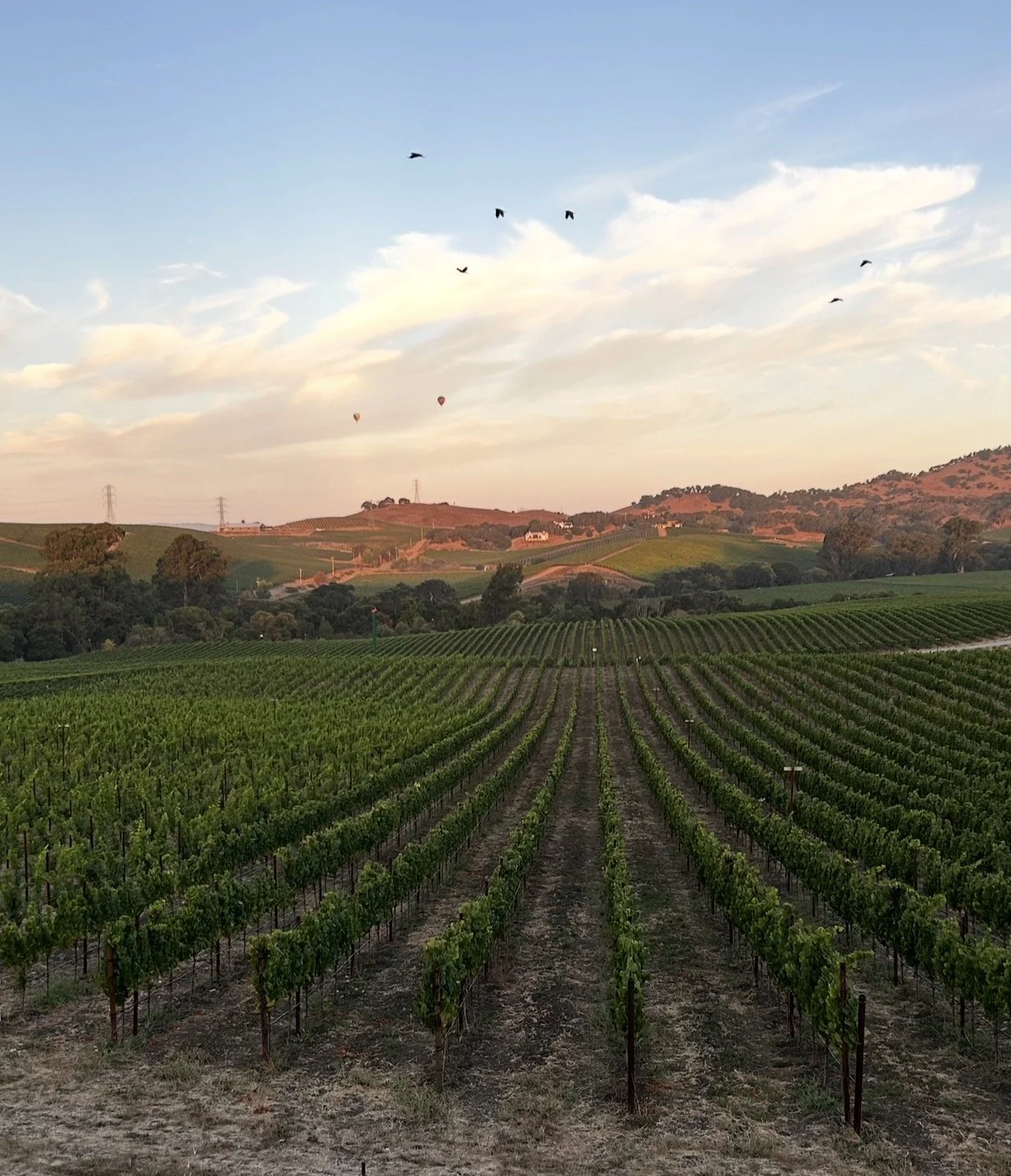
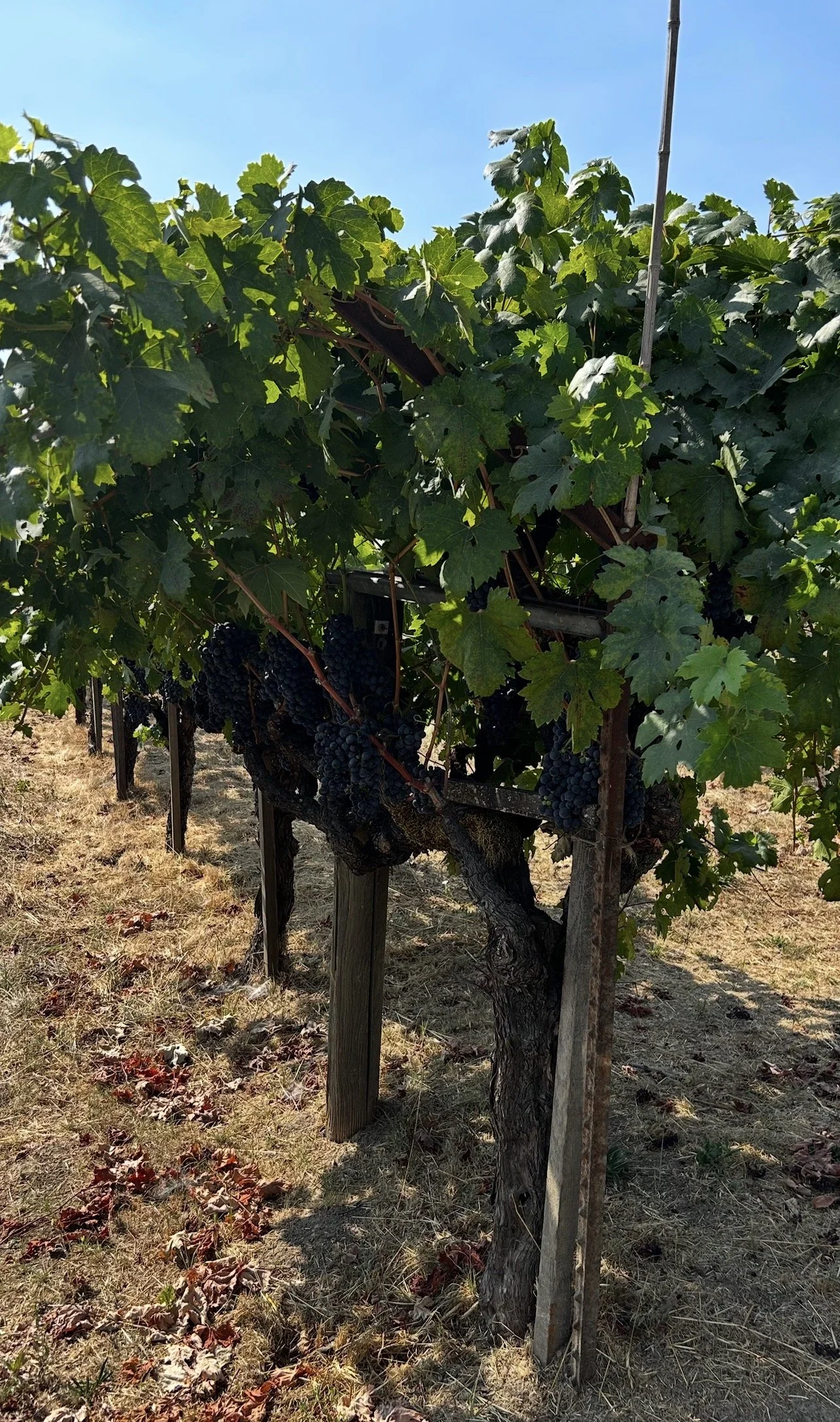
At its core, wine is the expression of the soil, climate, and landscape in which it is grown, commonly referred to as terroir. For example, a Chardonnay from the cool, limestone slopes of Chablis tastes remarkably different from one grown in the warm, sun-drenched vineyards of California or the Mediterranean climate of Margarette River in Western Australia. This diversity ensures that wine is not a singular product, but an infinite exploration of flavor, ranging from robust red tannins to vibrant, acidic whites. It is a product of fermentation, where yeast transforms grape sugar into alcohol, but the resulting nuance is dictated by the environment. This non-homogenized product allows us to not only experience the differences from one vintage to the next, but also creates memories of who, when and where it was shared.
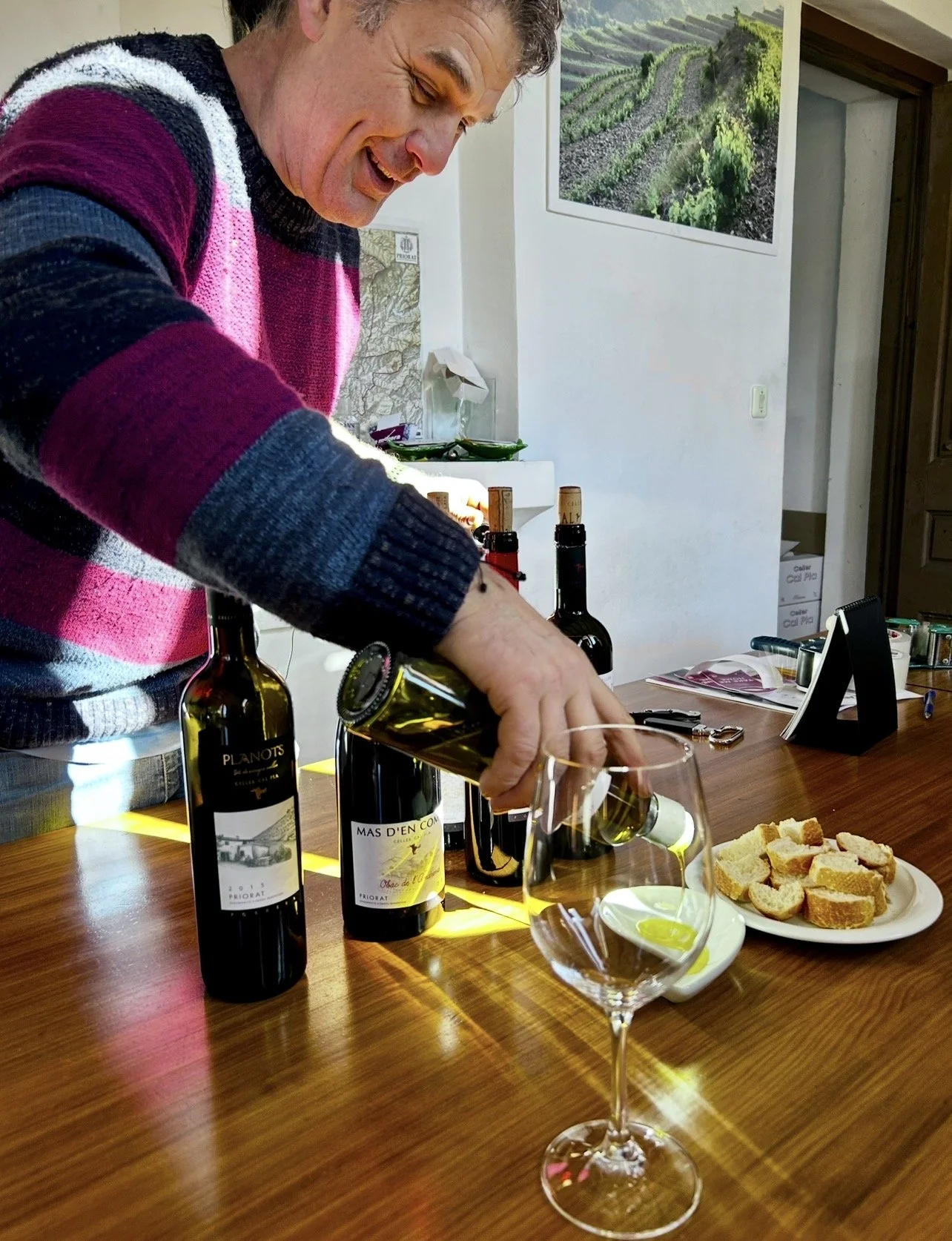
Wine is deeply intertwined with social rituals and human connection. It elevates meals, encourages conversation, and marks celebrations. Whether it is a rustic bottle enjoyed during a casual lunch or a meticulously aged vintage poured at a formal dinner, wine is meant to be shared. It is a cornerstone of Mediterranean culture, where it has been enjoyed for thousands of years as part of daily life rather than just a luxury.
The appreciation of wine requires engagement with all the senses—the visual check of color, the complex aromas, the texture, and the taste. The “five S’s” of tasting—See, Swirl, Sniff, Sip, and Savor—remind us to pause and appreciate the labor that goes into every bottle. Ultimately, wine is a testament to humanity’s ability to turn a simple fruit into a complex, nuanced, and celebratory experience, making it one of the most civilized and enduring cultural products in the world.