Sip Sustainably: The Impact of Choosing Organically Farmed Wine
The old adage ‘shop small’ doesn’t only apply to your local shop around the corner. It also applies to your small grower. Supporting wine producers that utilize organic farming practices is essential not only for personal health but also for environmental sustainability. The impact of how grapes are cultivated extends beyond the flavors and aromas contained in each bottle; it speaks to broader issues of health, ecology, and community.
Let’s get into it…
We’re always looking for ways to take better care of ourselves and your evening glass of wine is no exception. Choosing organic wine means reducing exposure to harmful chemicals. Organic farming eliminates synthetic pesticides and herbicides, which can have detrimental effects on human health. By opting for organic wines, consumers can enjoy their favorite beverage while minimizing their exposure to these potentially harmful substances. Moreover, organic wines may offer a better nutritional profile. Studies suggest that grapes grown without chemical fertilizers tend to develop a richer array of antioxidants and beneficial compounds, contributing to overall well-being. Many wine consumers also argue that organic wines showcase more authentic and complex flavors, allowing the grapes to express their true character without interference from synthetic inputs. We absolutely feel this is true.
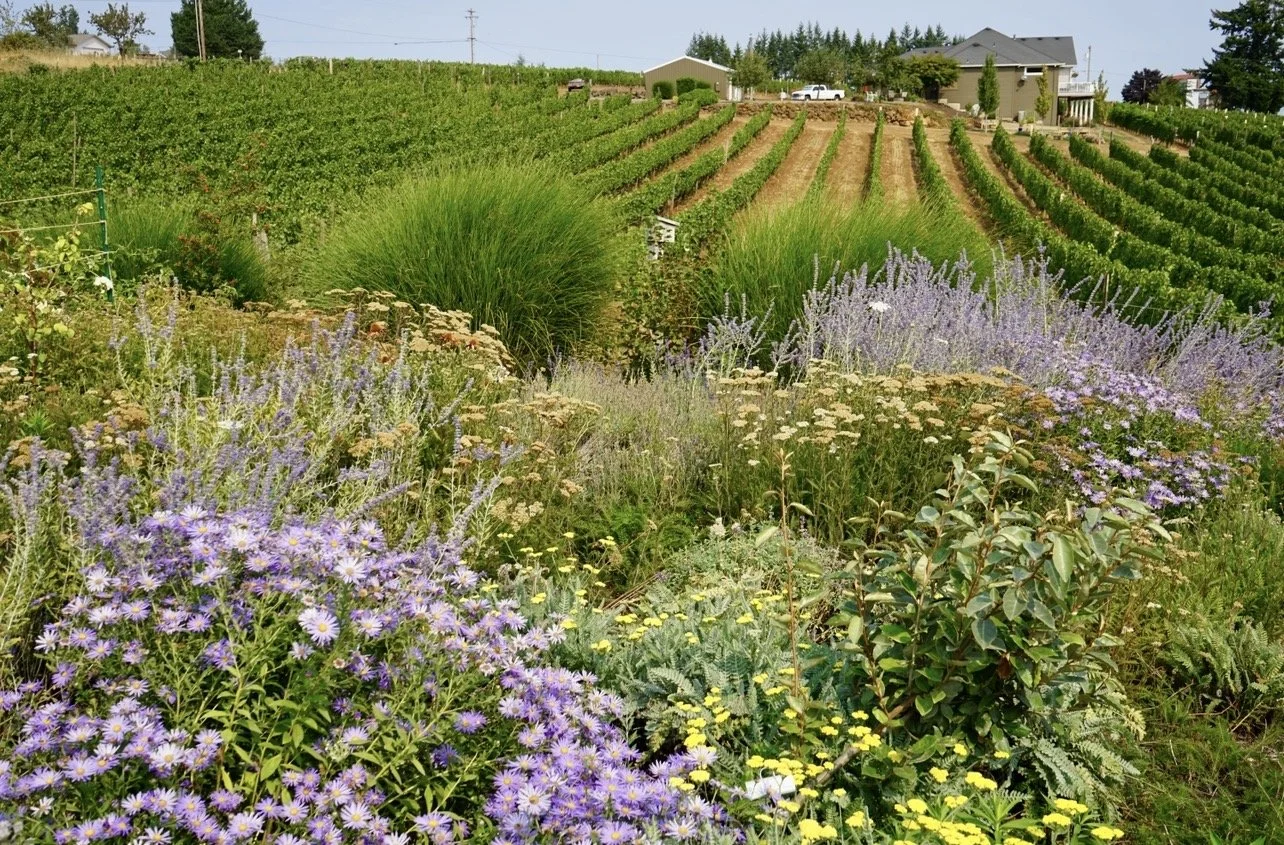
On the environmental front, organic farming practices play a significant role in promoting soil health. Farmers who embrace organic methods focus on nurturing the soil through strategies like composting, crop rotation, and cover cropping. This not only enhances soil fertility but also supports biodiversity, leading to healthier vines and more resilient ecosystems. Water conservation is another critical benefit associated with organic vineyards. These producers often implement sustainable irrigation practices, which help reduce water waste and protect local water sources—an especially pressing concern in regions prone to drought. Organic wineries create habitats for various species, including beneficial insects and wildlife, thus preserving biodiversity and contributing to balanced ecosystems.
The role of organic wine producers extends into the fight against climate change as well. Organic methods typically require fewer energy-intensive inputs, thereby reducing reliance on fossil fuels and lowering greenhouse gas emissions. Healthy soils in organic vineyards can also sequester carbon, playing a part in combating rising levels of carbon dioxide in the atmosphere.
When it comes down to it, supporting the small organic wine producers also fosters local economies. Many of these businesses are small, family-owned operations, and choosing their wines helps sustain local agriculture and community livelihoods. This commitment to ethical labor practices ensures that workers receive fair treatment and living wages, contributing to social justice within the agricultural sector.
Consumer choices can drive market demand for organic products, encouraging more producers to adopt sustainable farming practices. By consistently choosing organic wines, consumers send a powerful message to the wine industry about the importance of eco-friendly methods. This creates a ripple effect, inspiring conventional wineries to consider more sustainable practices and reduce their environmental impact.
Supporting wine producers that farm using organic practices is a decision that resonates on multiple levels. It benefits personal health, enhances environmental sustainability, and supports local economies and social justice. The next time you enjoy a glass of organic wine, you can take satisfaction in knowing that you are contributing to a healthier planet and a more equitable agricultural landscape. This choice not only elevates your tasting experience but also empowers you to be part of a movement that nurtures both the land and our well-being.