What ko-ze Taught us about Building and Letting Go
In early 2020, Doug and I did something that, in hindsight, looks a little reckless. We bought a 120-year-old storefront in historic downtown Glen Ellyn, Illinois, with no restaurant experience, no wine industry background, and a stubborn amount of belief that we could figure the rest out as we went. We called it ko-ze.
I won’t pretend the timing wasn’t almost comedic. We signed a lease (and a large general contractor contract) to renovate a century-old building right as the world shut down. But there was something fitting about it too, building something from nothing while everything around us felt uncertain. Maybe that’s exactly the kind of project two people choose when they need to believe in something they can shape with their own hands.
Why we did it
Did we really need a project and investment of this size, no. Doug had already given thirty-one years to the Navy. I had my own work, my own identity outside of any of this. But there was something neither of us could quite explain, a wanting to build something together, something physical and lasting, something that would force us to learn new skills side by side rather than separately.
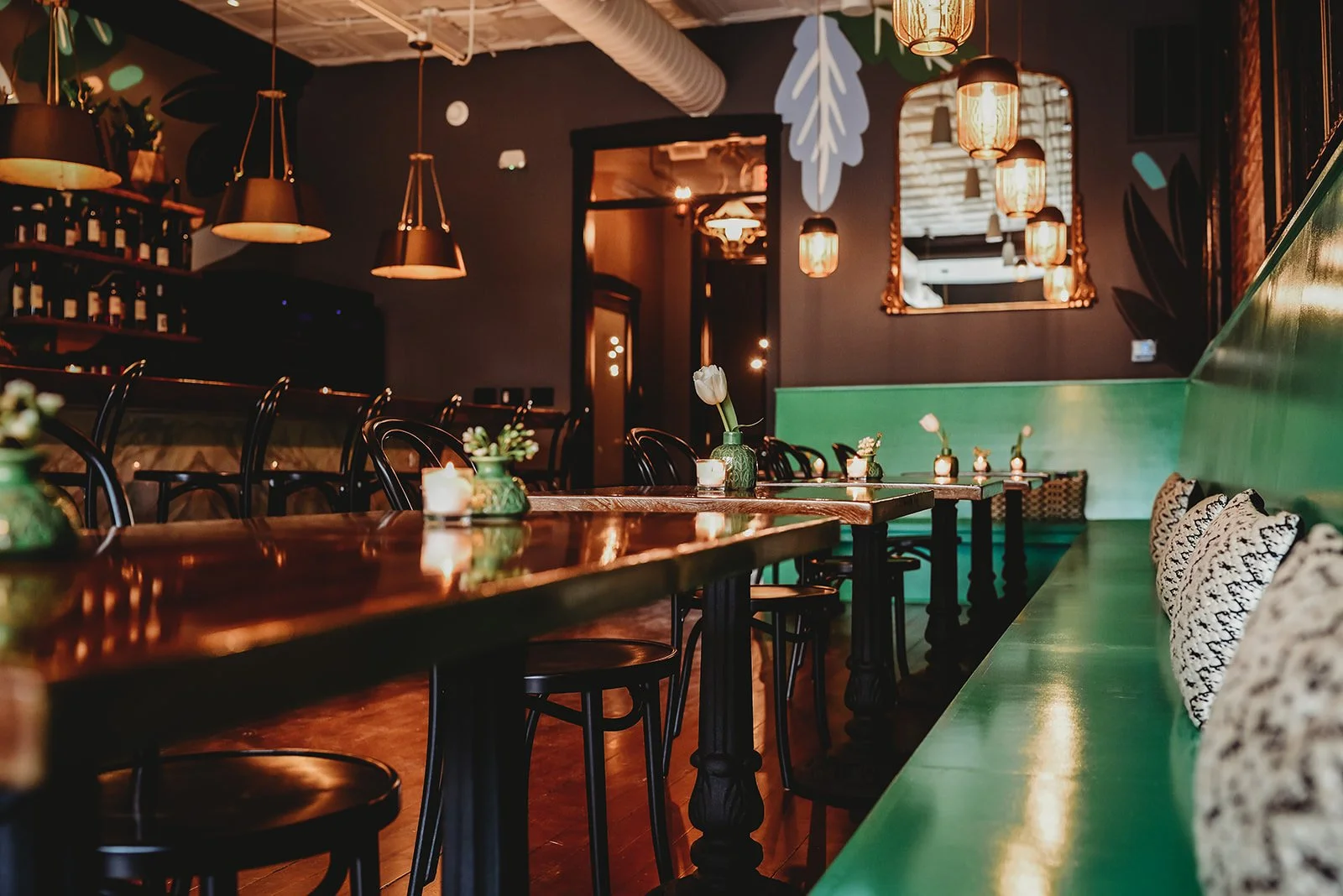
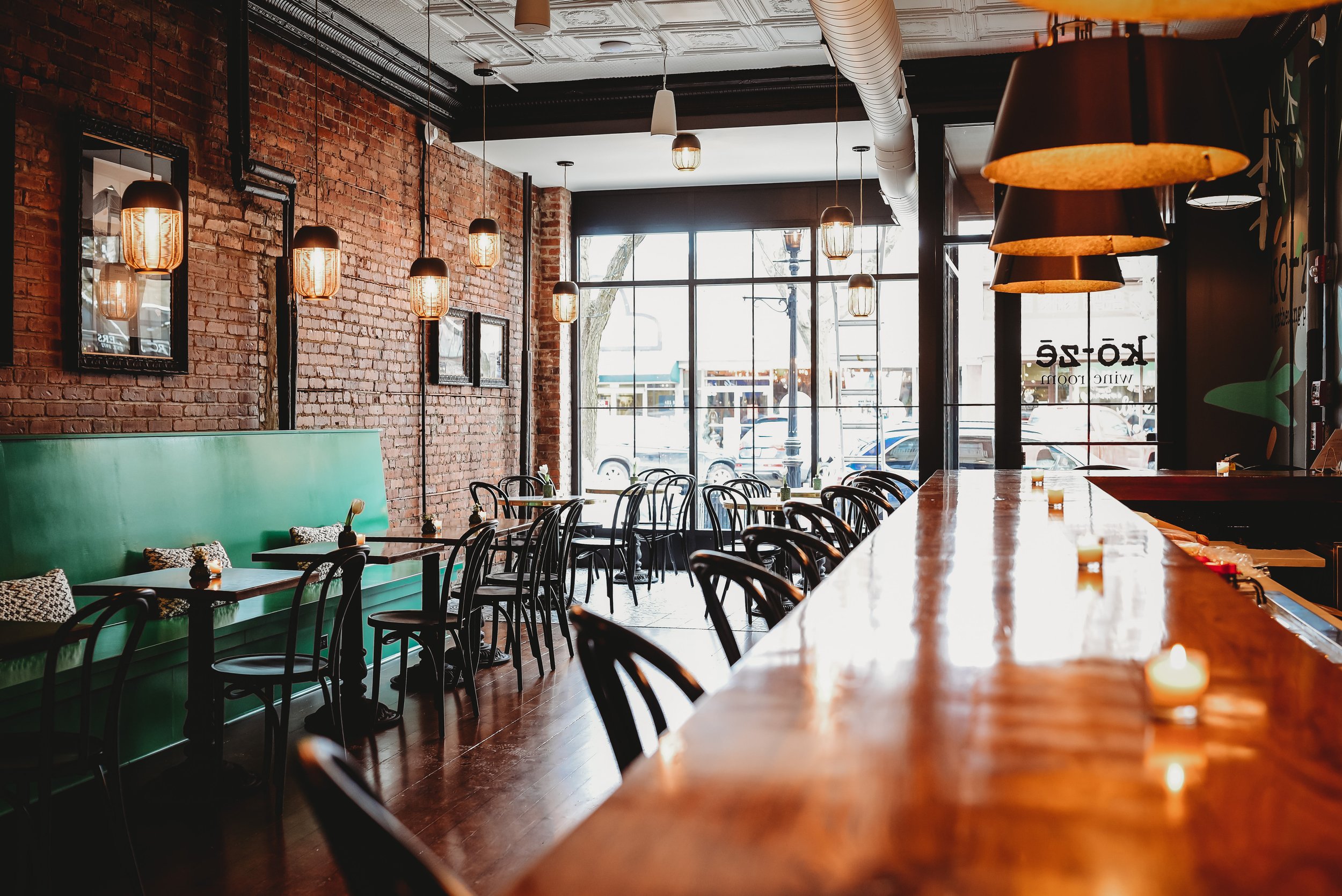
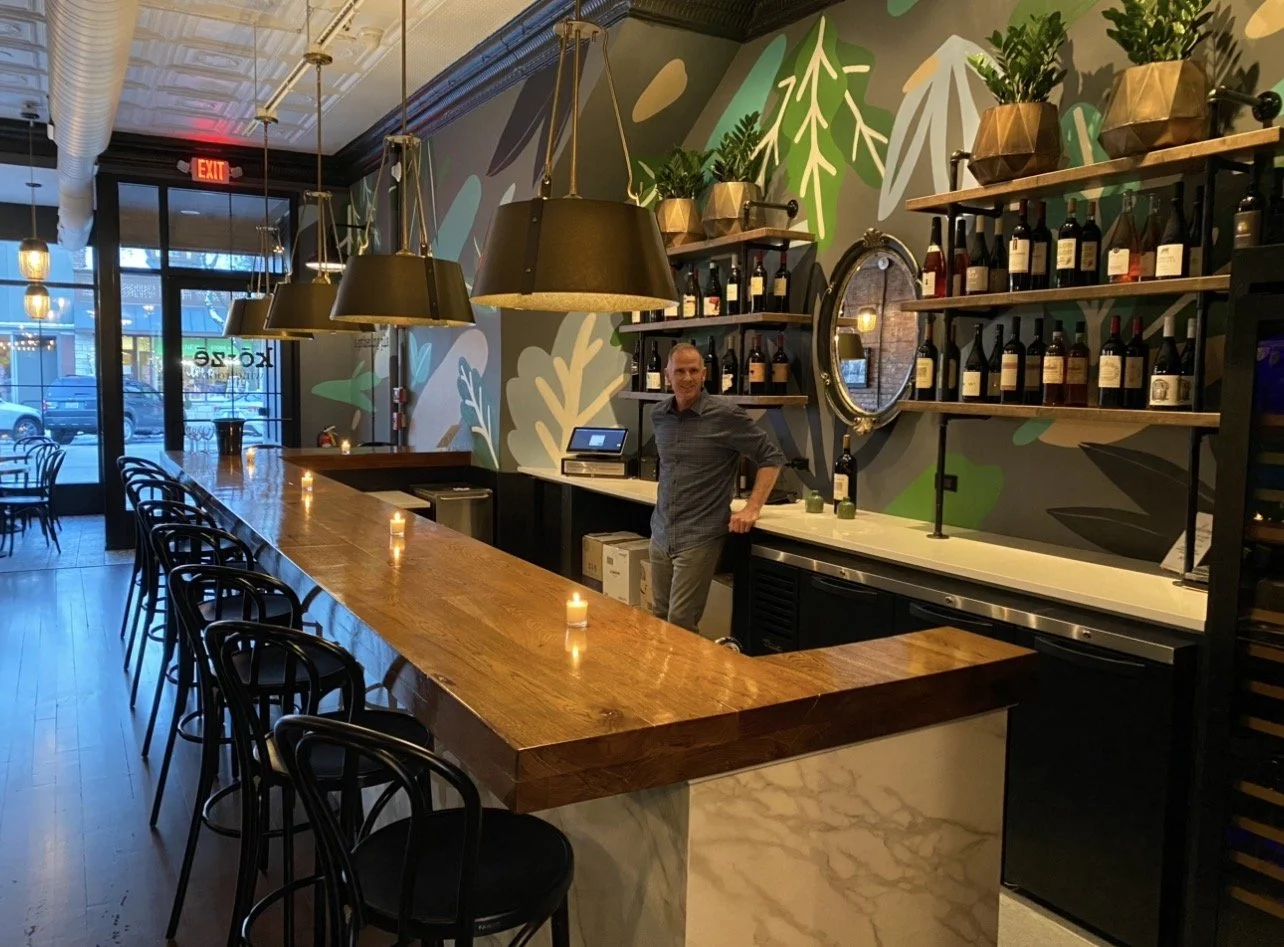
That building had bones worth saving. Original brick, the kind of architectural character you can’t manufacture, a history that had clearly seen a hundred years of small-town life pass through its doors. We saw a wine bar in it before anyone else did. We saw a place where people would gather, slow down, taste something new, and maybe leave a little more connected to each other than when they walked in.
That, more than the wine itself, was always the real product. Connection. Slowing down. The thing wine has always been best at facilitating.
What we actually built
I won’t romanticize it. There were spreadsheets, permits, contractor delays, and a thousand small decisions neither of us had any business making with confidence. We learned plumbing terminology we didn’t need to know. We learned how to read a lease the hard way. We learned that renovating a building older than either of our grandparents comes with surprises hidden behind every wall.
But we also learned what it means to build something as partners. Not just as spouses, but as two people with genuinely complementary strengths, figuring out a shared language for risk, vision, and stubborn persistence. Somewhere in the middle, ko-ze became its own thing, not quite either of us, but both of us.
There’s a pride that comes from building something with your hands and your nerve, especially later in life, especially without a blueprint from your past careers to follow. ko-ze gave us that. It gave Glen Ellyn a gathering place. And it gave Doug and me proof that we could dream something into existence together, not just survive change side by side, but actively create through it.
Knowing when it was time
I’ve come to understand things about Doug and me, maybe later than I should have: we love building things. We love the challenge of capturing the look and feel of a space, of taking a blank, century-old room and giving it a personality. We love building a brand from nothing, watching it find its own voice. We love building a community, that particular alchemy of strangers becoming regulars becoming friends, all because you gave them a place worth returning to.
What we never quite fell in love with was the day-to-day of running it.
That’s not a dramatic confession but a quieter, more honest one. The daily grind of a business, the scheduling and inventory and the thousand small operational decisions that keep a place alive, never gave us the same joy that building it did. We are far better at creation than we are at maintenance. And there’s no shame in that, but it took us time to admit it plainly, even to each other.
Eventually, several things converged at once, a slow accumulation of small recognitions. The business had found its footing and proven itself, which is its own kind of completion. The daily demands had started to outweigh what we wanted our days to look like, and what had once felt balanced no longer did. And quietly, underneath all of it, a new pull had started. The same kind of restlessness that would eventually point us out west.
We ended up selling because it had done what it was meant to do, and so had we. There’s a difference between walking away from something broken and walking away from something finished. Finished not in the sense of decline, but in the sense of having fully lived its purpose in our hands. ko-ze was the second kind.
That distinction mattered enormously to me as we made the decision. I needed to know, and I think Doug needed to know too, that we weren’t quitting. We were graduating.
Letting go still wasn’t simple. There’s grief in selling something you built brick by brick, conversation by conversation, glass by glass. There’s an ache in handing the keys to someone else and trusting them to carry forward what you spent years carefully shaping. But there was also peace in it. A genuine, settled peace that comes from knowing you built something real, gave it everything you had, and recognized, clearly, honestly, when its chapter with you had closed.
What it taught us about what’s next
ko-ze taught us that we are, at our core, builders. Not in the literal sense, though we did plenty of that too, but in the deeper sense. Two people who are happiest when we’re creating something together from raw materials and instinct. That’s not a phase we passed through. It’s apparently just who we are.
So as we stand at the edge of this next challenge, Italy, a new language, new vineyards to understand, new trails to walk, I keep coming back to ko-ze as proof of concept. We’ve done this before. We’ve taken unknown, unproven ideas and built them into something real with nothing but partnership and stubbornness to guide us.
Whatever comes next, I suspect it will ask the same of us. And I think we’re ready.