Pop, Fizz, Clink: Champagne vs. the World's Sparkling Rebels
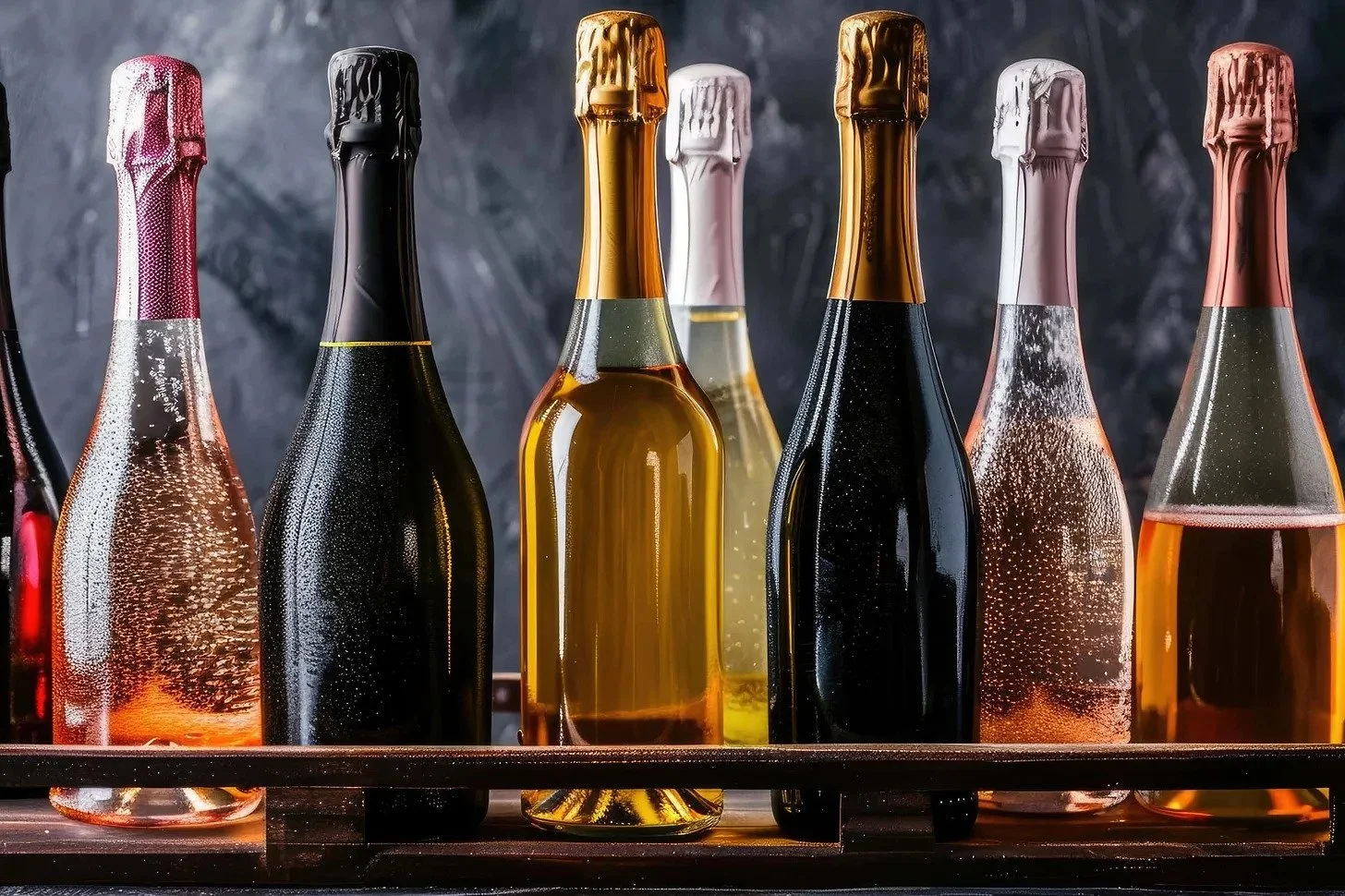
When you hear Champagne, your brain probably goes straight to golden flutes, tuxedos, and that scene in every James Bond movie. Champagne is the king of bubbles and prestige dripping from every tiny bead. It’s the wine that whispers, “I’m fancy, I’ve been around since the 1600s, and I cost more than your rent.” The Champagne region of France has mastered the art of elegance, tradition, and, let’s be honest, luxury pricing.
But don’t discount the new kids on the sparkling block: Tasmania, British Columbia, and the United Kingdom. They may not have centuries of aristocratic reputation, but they bring serious fizz and personality to the party.
Same Playbook, Different Places
Most of the world’s top sparkling wines are made in almost exactly the same way. We’re talking traditional method (bubbles formed in the bottle) and the same core grapes, Chardonnay, Pinot Noir, and Pinot Meunier. The real difference? Climate. These grapes love cool conditions. That’s what keeps the acidity high and the wines fresh. Champagne used to sit in a near-perfect zone for this. Now… it’s getting warmer and there are new comers arriving on scene.
Tasmania: The Underdog with Class
Tasmania is like Champagne’s cool, quirky cousin who rides a vintage scooter. The climate is chilly, the grapes crisp, and the bubbles lively. Tasmanian sparkling wines often use the traditional Champagne method, so they’ve got all the mousse and complexity, minus the hefty price tag. Think “high-class rebel with a friendly price.” Despite winning international awards, Tasmanian sparkling wine is still less famous than Champagne or even other Australian regions, which means you can often get top-tier quality at a better price.
British Columbia: The Wild Card
British Columbia is still figuring out its sparkling swagger. Its wines are fresh, bright, and often a little experimental. Sometimes Chardonnay, sometimes Pinot Noir, sometimes “let’s see what happens if we blend them!” BC sparkling wines may not make your Instagram followers gasp with recognition, but they deliver serious taste for value. The Okanagan Valley, BC’s main wine region, is technically a semi-arid desert. Yet it produces excellent sparkling wine because of dramatic day–night temperature swings. Warm days ripen the grapes, while very cool nights lock in acidity, which is crucial for fresh, vibrant bubbles. The region sits around the same latitude as parts of Champagne, but with more sunshine hours. That extra sunlight gives BC sparkling wines a slightly riper fruit profile while still maintaining classic structure. Consider them the craft beer of the wine world: cool, approachable, and proudly local.
United Kingdom: The Rising Star
England, and parts of Wales, are now producing sparkling wines that rival those from Champagne. Their chalky soils and cool climate create the crisp acidity and refined structure associated with top-quality bubbly, and many English wines are now winning international awards. Prices are rising, but they’re still often lower than premium Champagne, giving them a kind of “prestige-lite” appeal—high quality without the full luxury markup. Although the United Kingdom is part of Europe, its wine industry is relatively young. This allows producers more freedom to experiment than their counterparts in France, leading to innovation in blending, aging, and vineyard techniques.
Climate Change: The Uninvited Guest
Here’s where the plot thickens. Rising temperatures are shaking up the global bubbly map. Champagne is feeling it too. Grapes are ripening faster, acid levels are shifting, and winemakers are scrambling to adapt. Meanwhile, Tasmania, BC, and the UK might actually benefit a bit, since their cooler regions are warming just enough to ripen grapes fully and extend the growing season. So maybe the underdogs are the future kings of fizz? Mother Nature has a sense of humor.
So… Who Wins?
Honestly? Everyone.
Champagne still delivers depth, history, and that luxury feel
England brings freshness and energy
Tasmania offers balance and elegance
British Columbia adds crisp, vibrant structure
The Big Picture
Climate change is a serious issue—but in the wine world, it’s also reshaping where (and how well) great sparkling wine can be made. Regions that used to be on the edge are now thriving. The playing field is widening. And for anyone who loves a good glass of bubbly, that’s not a bad thing. Champagne isn’t going anywhere—but it’s no longer the only star of the show.