Pink, Pale, and Perfectly French: A Love Letter to Provence Rosé
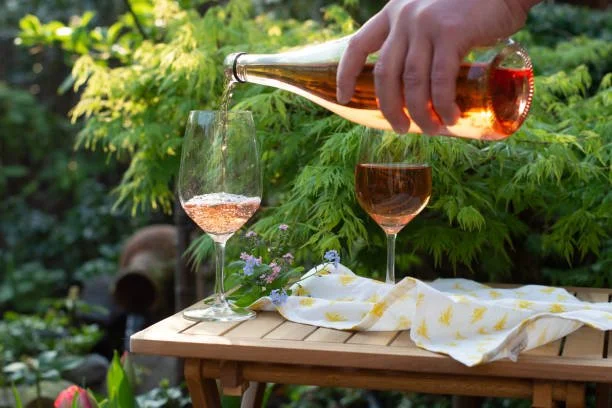
Summer has a color. It’s not the deep red of a Cabernet or the bright gold of a Chardonnay. It’s pale salmon, barely blushing, the shade of the sky over the Côte d’Azur about twenty minutes after sunset. It is, of course, Provence rosé — and if you haven’t fallen down this particular rabbit hole yet, welcome. Pull up a chair. We’re going in.
Why French? Why Provence?
Provence has been doing its thing for 2,600 years. The ancient Greeks founded Marseille around 600 BC and brought viticulture with them. The Romans loved it so much they named the whole region “provincia nostra” (our province). That’s where “Provence” comes from. So when you open a bottle of pale pink Côtes de Provence, you’re participating in one of the oldest wine traditions on the planet. No pressure.
But history aside, there’s a genuinely nerdy reason why Provence makes rosé better than almost anywhere else. The wines are terroir-driven, not just winemaker-driven. Most rosé around the world is a stylistic choice, a winemaker deciding to pull juice off red grapes early and run with it. In Provence, the vines are planted for rosé. Grenache, Cinsault, Syrah, Mourvèdre, Vermentino (called Rolle locally) these grapes are cultivated specifically to produce wines that are dry, pale, delicate, and built for the table. The Mistral wind keeps humidity low and disease pressure minimal. The Mediterranean sun delivers more than 3,000 hours of sunshine a year. The limestone and clay soils add that telltale chalky minerality. It all adds up to a wine that tastes like a place.
And that place is extremely good.
What Does It Actually Taste Like?
Forget any lingering trauma from White Zinfandel. Provence rosé is bone dry, no residual sugar, no candy, no apologies. What you get instead is a gorgeous layering of:
Strawberry and red berry fresh, not jammy. Think farmers market, not jam jar.
White peach and nectarine stone fruit that whispers rather than shouts.
Citrus zest a bright squeeze of grapefruit or lemon on the finish.
Dried herbs and garrigue a whiff of wild thyme, lavender, or rosemary that transports you directly to a sun-baked hillside in the Var.
Sea salt minerality the kind of savory, chalky finish that makes you reach for another sip immediately.
The body is light to medium. The acidity is crisp and refreshing. The color is famously pale, a result of minimal skin contact and careful pressing. If you’ve ever seen someone describe a Provence rosé as “the color of faded ballet slippers,” that’s accurate and we fully support it.
The Nerdy Bit: Appellations Matter
Provence isn’t one monolithic place. The three main appellations are Côtes de Provence (the largest, most widely distributed), Coteaux d’Aix-en-Provence (rounder, slightly fuller styles), and Coteaux Varois en Provence (higher altitude, more freshness and tension). Then there’s Bandol (my personal favorite) the prestige appellation near Toulon, where Mourvèdre-dominant rosés deliver serious structure, aging potential, and complexity. Bandol rosé is what happens when pink wine decides it wants to be taken very seriously.
There’s also a micro-appellation called Côtes de Provence Sainte-Victoire, named after the mountain that obsessed Cézanne, producing some of the most structured, terroir-expressive rosés in the region. Keep an eye on that one.
The Summer Case
Why is Provence rosé the ultimate summer wine? Let us count the ways:
It’s low-commitment but high-reward. You don’t need to aerate it, decant it, or think very hard about it. You just chill it to about 50°F and pour.
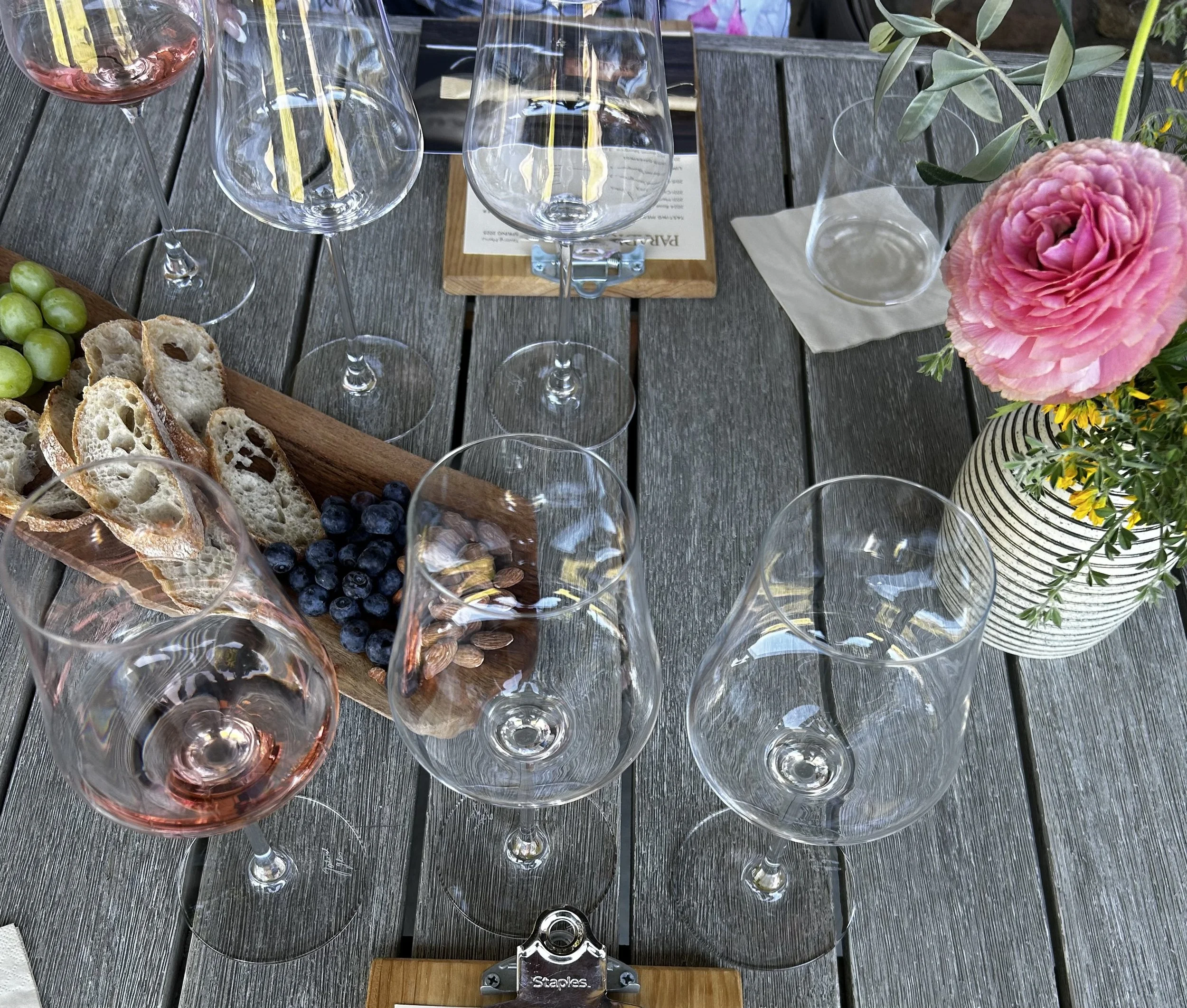
It’s food-flexible in the best way. Grilled fish? Yes. Charcuterie board? Obviously. Roasted chicken? Come on. Sunday afternoon snacks on the porch? Absolutely. The acidity and light body make it genuinely one of the most food-friendly wines on earth.
It’s the thing to bring to a party where you don’t know what everyone is eating. Vegetarians, meat lovers, the person who “doesn’t really drink wine,” Provence rosé wins every table.
And perhaps most importantly: it just feels like summer. There’s a reason the Côte d’Azur crowd has been drinking this stuff on yachts and terraces for decades. It’s not just marketing. The wine actually delivers the vibe.
Five Sleeper Producers Worth Hunting Down
Yes, you know Whispering Angel. You’ve seen Miraval. Those are fine, genuinely good wines. But the beauty of Provence is that the rising tide has lifted a lot of boats that nobody’s talking about yet. Here are five producers to seek out, all with U.S. distribution:
Château Gassier — Côtes de Provence Sainte-Victoire
Why it’s special: Gassier sits at the foot of the Sainte-Victoire mountain — the same rocky peak Cézanne painted obsessively — in one of the most protected natural reserves in France. The estate is certified organic and harvests at night to preserve aromatics. Their “Le Pas du Moine” rosé is vinified in historic concrete tanks and delivers a precise, citrus-forward wine with serious length. Their flagship “Esprit Gassier” is more accessible and equally lovely.
Flavor profile: Citrus, exotic fruit, white flowers, mineral precision.
Find it: Imported by Wilson Daniels and available at fine wine retailers nationwide.
Château Léoube — Côtes de Provence
Why it’s special: Nestled at Cap Bénat in one of Europe’s most beautiful protected coastal sites, Léoube is 560 hectares of organic vines, olive groves, and pure Provençal fantasy. The founders also created Daylesford Organic in the UK, so the commitment to sustainable farming is deep and real. Their “Secret de Léoube” rosé has earned comparisons to wines costing twice as much, with notes of white peach, cherry blossom, tangerine, and a salty mineral finish that tastes like the Mediterranean coast.
Flavor profile: White peach, cherry blossom, tangerine, sea salt.
Find it: Available through Millesima USA (millesima-usa.com) and select fine wine shops.
Domaine Gavoty — Côtes de Provence (Cabasse, Center-Var)
Why it’s special: Eight generations. Founded in 1806. That’s a winery with receipts. The “Cuvée Clarendon” rosé — named after a music critic ancestor who wrote under the pen name Clarendon — is their top cuvée, made from the estate’s oldest vines. Robert Parker once called it one of the top rosés in Provence. It’s richer and more structured than many, with real food-pairing ambition. This is your “rosé for people who think they don’t like rosé” bottle.
Flavor profile: Red cherry, raspberry, spice, mineral texture, firm dry finish.
Find it: Available through fine wine importers and wine-searcher.com for locating your nearest retail source.
Château Grand Boise — Côtes de Provence Sainte-Victoire
Why it’s special: Certified organic since 2010, biodynamic with Biodyvin certification, and farming 38 hectares across 94 different vineyard plots ranging from 300 to 640 meters altitude. No synthetic chemicals, no shortcuts. The high-altitude, mostly north-facing vineyards on clay-limestone soils produce a rosé with a freshness and tension you don’t find at lower elevations. This is the wine for the person who always says “I want something a little more interesting.”
Flavor profile: Crisp citrus, tart red fruit, chalky minerality, long fresh finish.
Find it: Available through select U.S. importers and Millesima USA.
Château Gassier “946” — The Prestige Cuvée to Splurge On
Why it’s special: Named after the highest peak of the Sainte-Victoire mountain (946 meters), this is Gassier’s reserve rosé and one of the most structured, complex expressions coming out of Provence right now. Made from the estate’s oldest, highest-altitude vines with extended cold-settling, it’s a wine that can actually age a year or two and reward the patient. Limited production, but worth every effort to track down.
Flavor profile: Peach, pear, citrus, white flowers, stony depth.
Find it: Wilson Daniels importation. Ask your favorite wine shop if they can get ahold of it for you.
The Bottom Line
Provence rosé isn’t a trend. It’s been the default summer wine of the Mediterranean world for millennia, and the best versions punch well above their weight. Skip the Instagram-famous bottles for a minute and dig into the estates that are doing quiet, serious, delicious work in the hills and valleys of southern France. Your porch, your grill, and your summer self will thank you.
Now go chill a bottle. You’ve earned it.