The Soul of San Gimignano: Elisabetta Fagiuoli and the Living Legend of Montenidoli
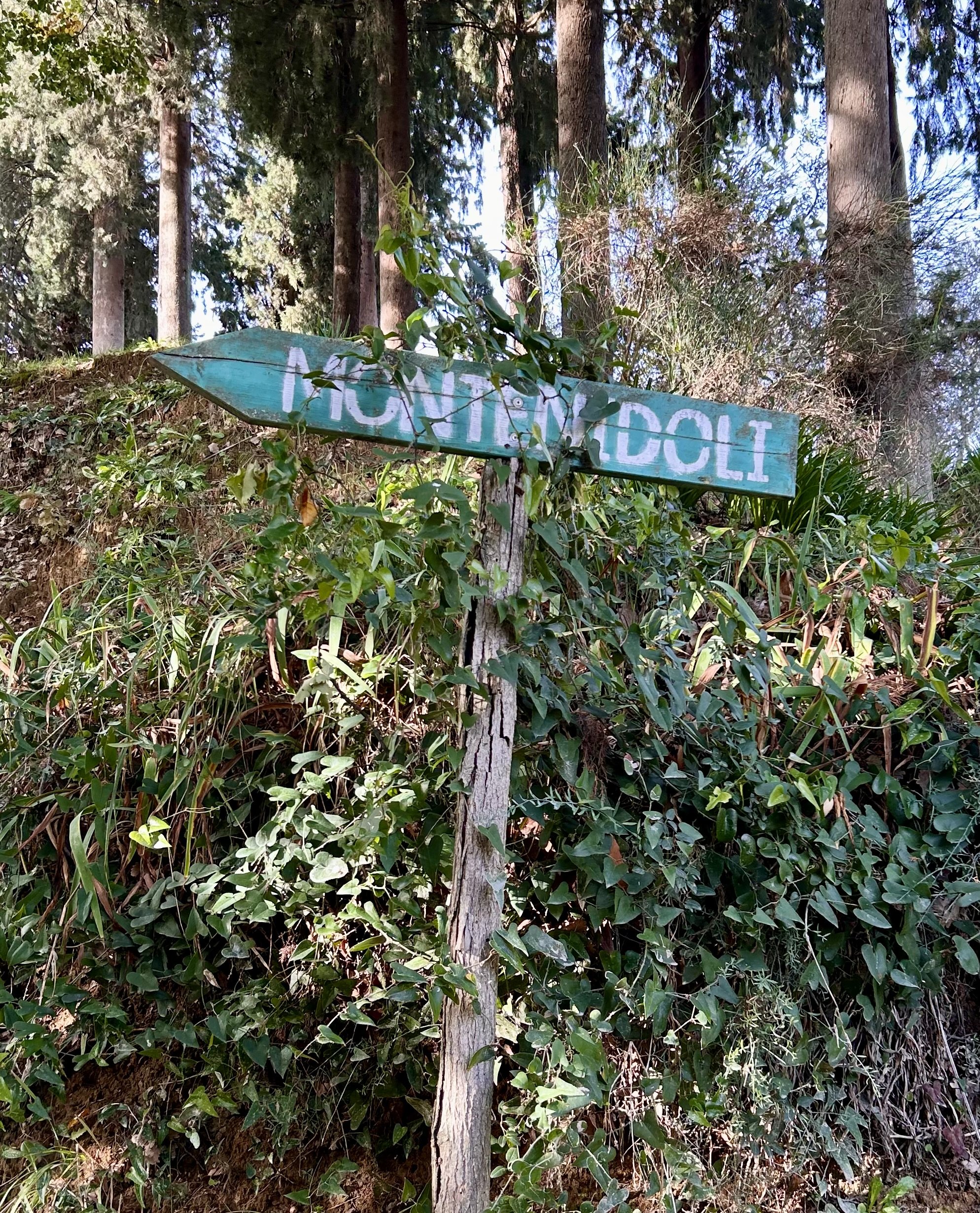
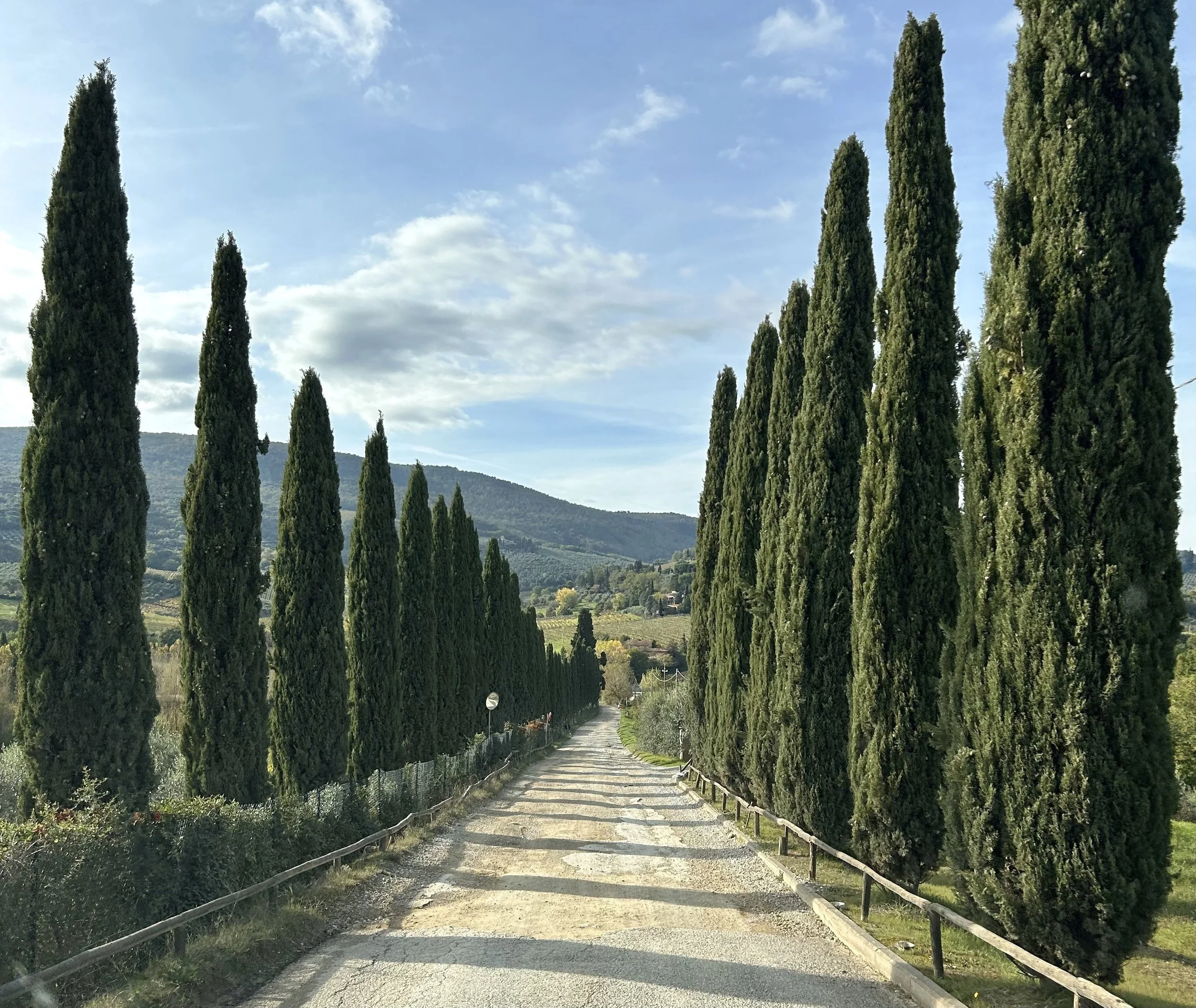
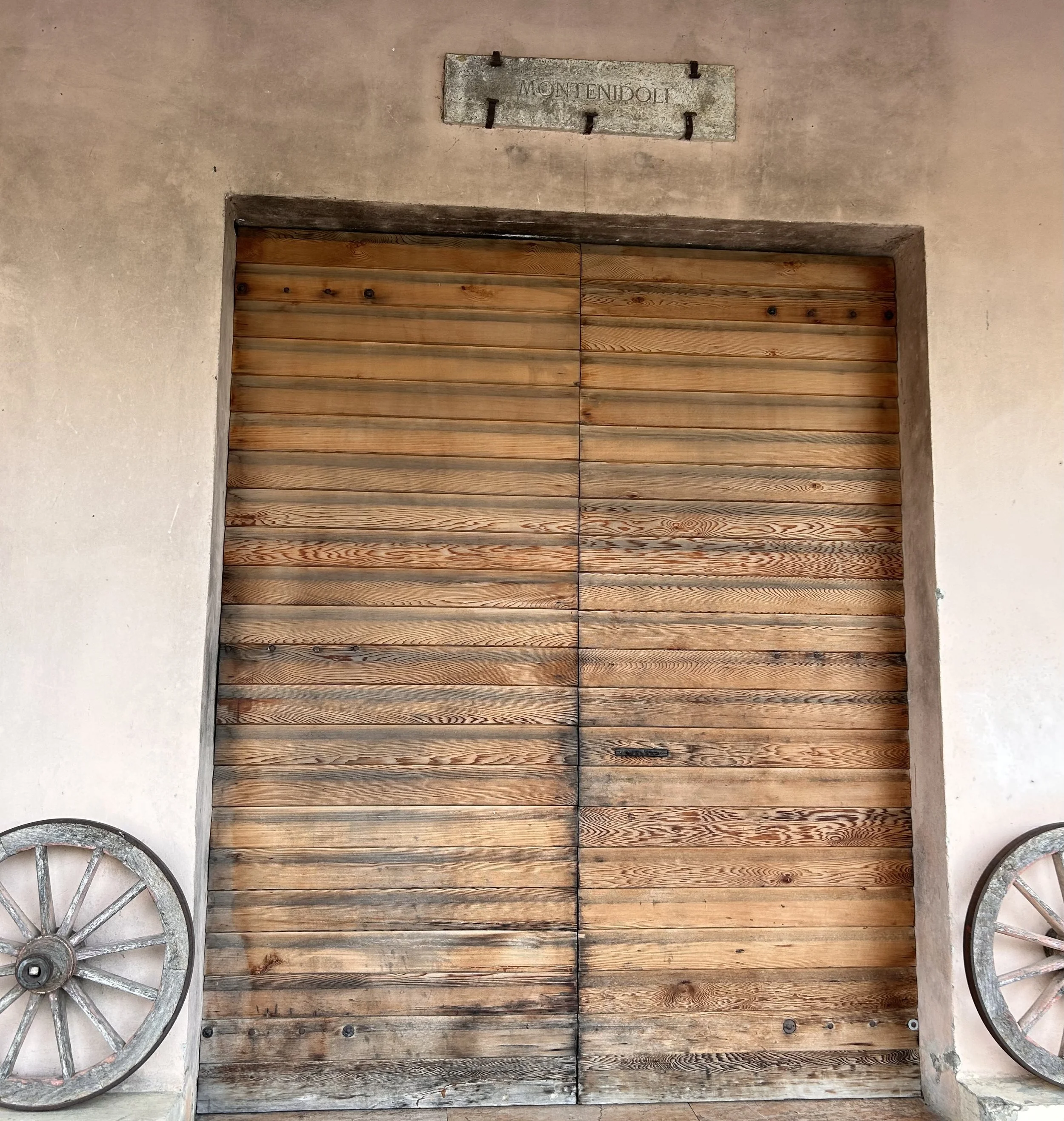
In the hills of Tuscany, where the medieval towers of San Gimignano pierce a sky that has looked the same for a thousand years, there is a hillside called Montenidoli. The name means “the mountain of the little nests.” It is 494 acres of ancient forest, olive groves, and vineyard, and it is presided over by one of the most singular figures in the world of wine. Elisabetta Fagiuoli. Viticulturist, winemaker, philosopher, philanthropist, and, by any honest measure, a legend.
To drink a bottle of Montenidoli is to receive a kind of transmission. Something of the soil, something of the woman, something of the decades of devotion that went into it. But to understand what makes that bottle so extraordinary, you have to go back to 1965, when a young woman and her companion arrived at a wild, abandoned hillside and decided, with what can only be described as either great courage or great madness, to make it their home.
The Beginning: A Forest and Nine Children
Elisabetta was born in Rome to Veronese parents, with wine already in her blood, her family had cultivated vines and olive trees near Custozza, not far from Verona, since the 1700s. Her first encounter with fermentation came at the age of five, when she crushed grapes alongside a group of friends and tasted the daily transformation of the must into wine, fascinated by the alchemy of it.
When she and her companion Sergio Muratori came upon Montenidoli in 1965, the property was in a state of near-total abandonment. Post-war migration had drained the Tuscan countryside of its farmers, leaving vineyards to be swallowed by bramble and olive trees to go wild. There was no road. No running water. No electricity. Only candles, a well, and the extraordinary optimism of two people who believed this sleeping land could be brought back to life.
They arrived with nine children.
“We were young, so full of energy,” Elisabetta has said of those early years. “We could go and get our water from the well, to wash, to eat, for everything. We had candles. That was the beginning. But the beginning of Montenidoli.”
What followed was years of painstaking restoration. Clearing the forest, reviving the vines, reintroducing beneficial animals and organic composts to heal the soil, all while raising a family on a hillside without modern utilities. It is the kind of origin story that belongs in a novel, and it shaped everything that Montenidoli would become.
A Place Ancient Beyond Reckoning
To understand Montenidoli’s wines, you need to understand its geology, and that geology is humbling in its scale.
The estate sits on two distinct and extraordinary soil types. The lower vineyards, where Elisabetta’s celebrated Vernaccia di San Gimignano is grown, rest on Quaternary soils formed from calcareous marine sediments. Crushed shells and fossils deposited by the Ligurian Sea, which once covered much of what is now Tuscany. This ancient seafloor gives the white wines their defining minerality, their briny depth, their remarkable capacity to age.
Above, on the highest reaches of the property, are soils of a different order entirely. Triassic sedimentary rock, over 300 million years old, among the oldest vineyard soils on earth, and the only Triassic land planted to vine in all of Tuscany. It is here, in her “Isola di Felicità” (Island of Happiness), that Elisabetta planted her Sangiovese in 2001, calling the vineyard Primo Sole. First Sunlight, for it is the first part of the estate to catch the morning sun.
Long before any of this was vineyard, the land knew other inhabitants. The Etruscans discovered it first and planted vines. The Romans followed. And in the Middle Ages, the Knights Templar used the property for meetings and ceremonies, a history commemorated today in Montenidoli’s wine Il Templare, a white blend named for those warrior monks. In 1404, a noblewoman named Finuccia de’ Barbi donated the estate, “woods, vineyards, olive trees”, to the Hospital of Santa Fina to “save souls.” The land has always been bound to something larger than commerce.
The Winemaking: Tradition as a Radical Act
In a region where the last few decades brought pressure to modernize, to chase scores and international styles, Elisabetta Fagiuoli did something quietly radical. She refused. She has farmed organically since the day she arrived. The land at Montenidoli, she is proud to say, has never once seen a synthetic pesticide or chemical treatment. Today the estate is certified organic by ICEA (Istituto per la Certificazione Etica e Ambientale), though Elisabetta would point out that the certification merely confirmed what had always been true.
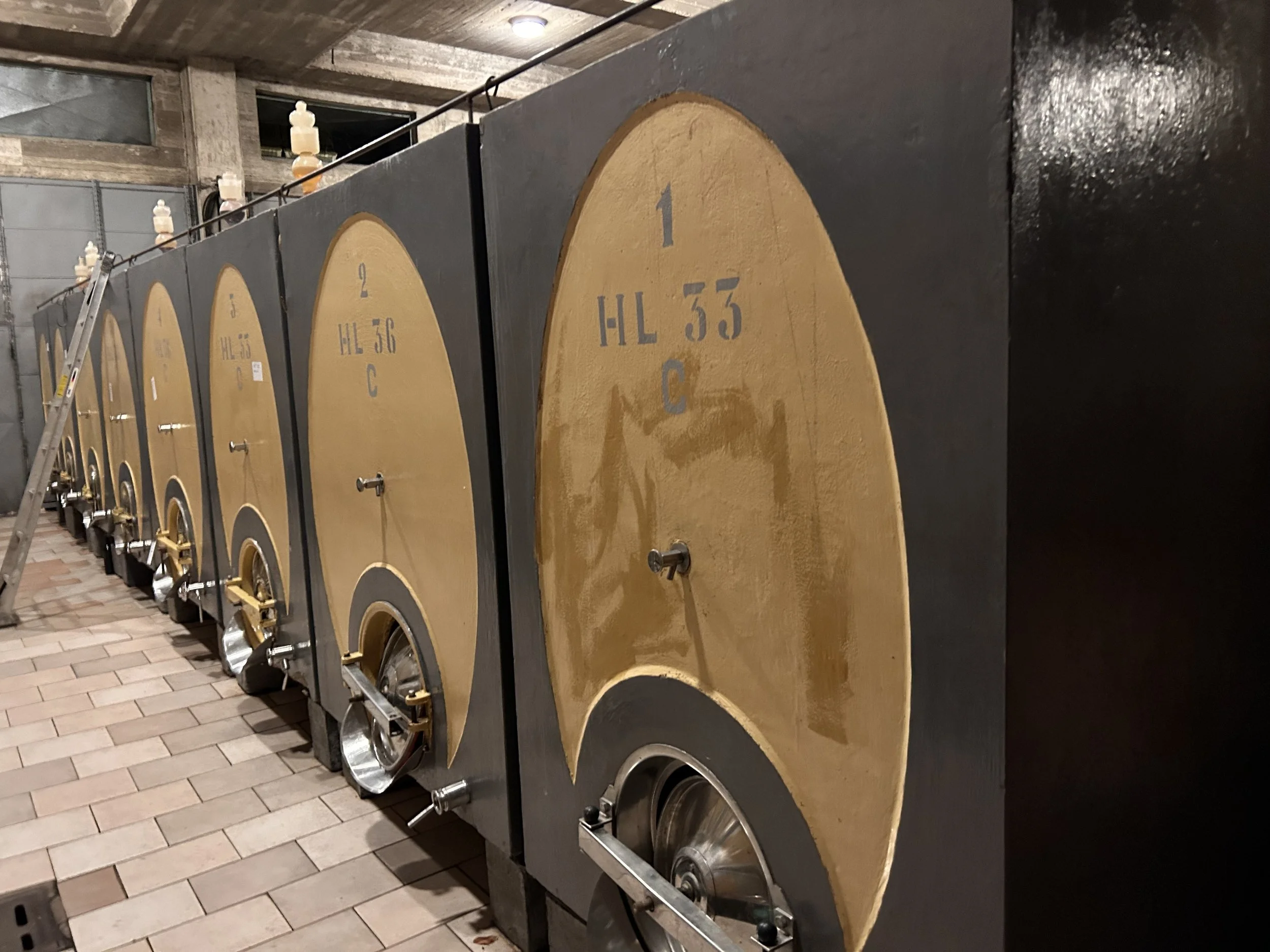
In the cellar, the philosophy is identical: minimum intervention, maximum honesty. Only ambient yeasts are used. Wines undergo only the coarsest filtration, or none at all. Sulphite additions at bottling are minimal. The grapes, all indigenous varieties, all hand-picked, are Vernaccia, Sangiovese, Canaiolo, Trebbiano Gentile, and Malvasia Bianca, the traditional cultivars of the region, unchanged for centuries.
The results are wines of profound individuality. Montenidoli produces three distinct Vernaccia di San Gimignano DOCG, each a different expression of the same grape and the same hillside:
Vernaccia Fiore is the most delicate, made from free-run juice only, the liquid that flows naturally from the grapes under their own weight, before pressing. Aged on its lees (dead yeast cells) for twelve to sixteen months, it is refined and soft, all nervous energy and mineral clarity.
Vernaccia Tradizionale is the most classical expression, the one that most recalls the ancient winemaking of San Gimignano. The must macerates at length on the skins before fermentation, giving the wine a texture and depth unusual for white wine. Rounder, richer, with that characteristic bitter almond finish that defines the Vernaccia grape at its most authentic.
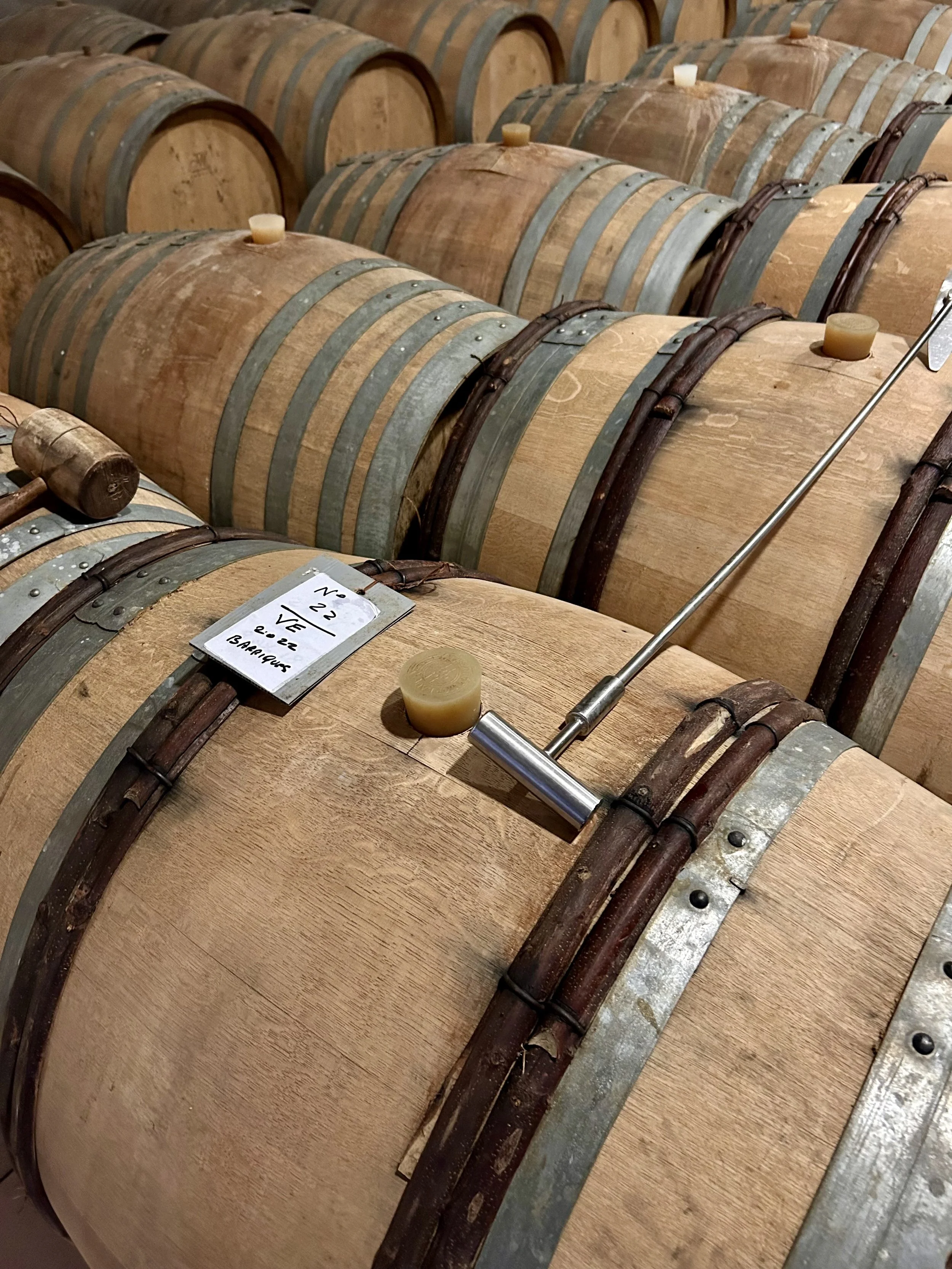
Vernaccia Carato is Elisabetta’s most ambitious white, fermented and aged in French oak barriques for twelve months, then rested in cement and bottle for years before release. It is, in the truest sense, a meditation wine. Complex, layered, built to be opened a decade from now. The inspiration came from Elisabetta’s childhood memory of a French uncle who would visit her family bearing bottles of white Burgundy, wines that left a permanent impression of what age-worthy white wine could be.
“My brand is Montenidoli,” she has said, when asked how her wines compare to Burgundy. “I am neither better nor worse, but I am myself. I am not comparing myself to anybody. I am trying my best with what I have.”
That sentence is, in many ways, the entire philosophy of the estate.
The reds, Sono Montenidoli Rosso di Toscana IGT (100% Sangiovese), and Il Garrulo Chianti Colli Senesi DOCG, are equally distinctive wines of real Tuscan character, built for the table and the long haul, deeply expressive of their uncommon Triassic terroir. In 2019, Wine Spectator noted that the wines of Montenidoli are “in a class by themselves.” They were not exaggerating.
The Foundation: Wine as an Act of Love:
Sergio Muratori, Elisabetta’s companion of nearly five decades, the man who cleared the brambles and pruned the olives and quietly held up the whole enterprise while she grew the grapes and made the wine, passed away in 2012. He had been, in the words of those who knew him, a healer as much as a teacher. A man who spent decades at Montenidoli helping troubled young people, lost adults, and the elderly to find themselves, find peace, find connection.
In 2014, Elisabetta established the Sergio the Patriarch Foundation, Fondazione Sergio il Patriarca, in his honor. It is housed in the heart of the estate, in a cluster of renovated farmhouses halfway up the high plateau, in the same “Island of Happiness” where the oldest vines grow.
The Foundation’s mission is both simple and profound; to bring people together across the borders of race, culture, age, and tradition, to remind them, in Elisabetta’s own words, that “we are all part of the same family on our small planet.” It offers free stays to elderly people in need of rest and care. It hosts seminars and retreats for troubled young people, helping them reconnect with the land, with work, with each other. It welcomes geologists, biologists, agronomists, wine personalities, and wanderers from all over the world to share knowledge and humanity.
A portion of the proceeds from every bottle of Montenidoli wine goes directly to support the Foundation’s work.
“We are not looking for people who want to grab,” Elisabetta has said of the Foundation’s philosophy. “We are looking for people who will help and share. That is totally different.”
For more than fifty years, she has also protected the mountain itself. From hunters, from industrial agriculture, from the encroachment of monoculture. Of Montenidoli’s 494 acres, the vast majority remains pristine, untouched forest. The birds, a writer once noted, know that Fagiuoli is an ally.
The Legend:
In 2015, Elisabetta was awarded the title of Vigneronne d’Italia by FIVI, the Italian Federation of Independent Vignerons, recognition of her singular contribution to raising the quality and reputation of Vernaccia di San Gimignano. She has been called the soul of Tuscany. A benchmark for all of Italy. A force of nature. Una forza della natura.
She gave a TEDx talk at TEDx Montalcino. She has been written about in Wine Spectator, profiled by wine writers from around the world, sought out by sommeliers and collectors and pilgrims who make the winding drive up to her hillside to taste wine and sit at her table and be, for a few hours, part of her family. We were able to sit at her table in 2022.
And yet she remains resolutely, almost stubbornly, herself. There is no marketing gloss on Montenidoli, no reinvention for the market, no concession to trend. The vines are over fifty years old now. The wines are made the same way they were made in 1971, the first great vintage. The Foundation continues its quiet work of putting broken people back together.
When someone once asked Elisabetta what she hoped to see when she looked back on Montenidoli from the afterlife, she gave the answer you would expect from no one else in the wine world.
“There is nothing of a creation,” she said. “I am the servant of the servants.”
How to Find Montenidoli:
Montenidoli is located just outside San Gimignano in the province of Siena, Tuscany. The wines are imported internationally and are available through specialist wine merchants and shops. The estate and Foundation welcome visitors and those who make the journey should prepare to be changed, at least a little.
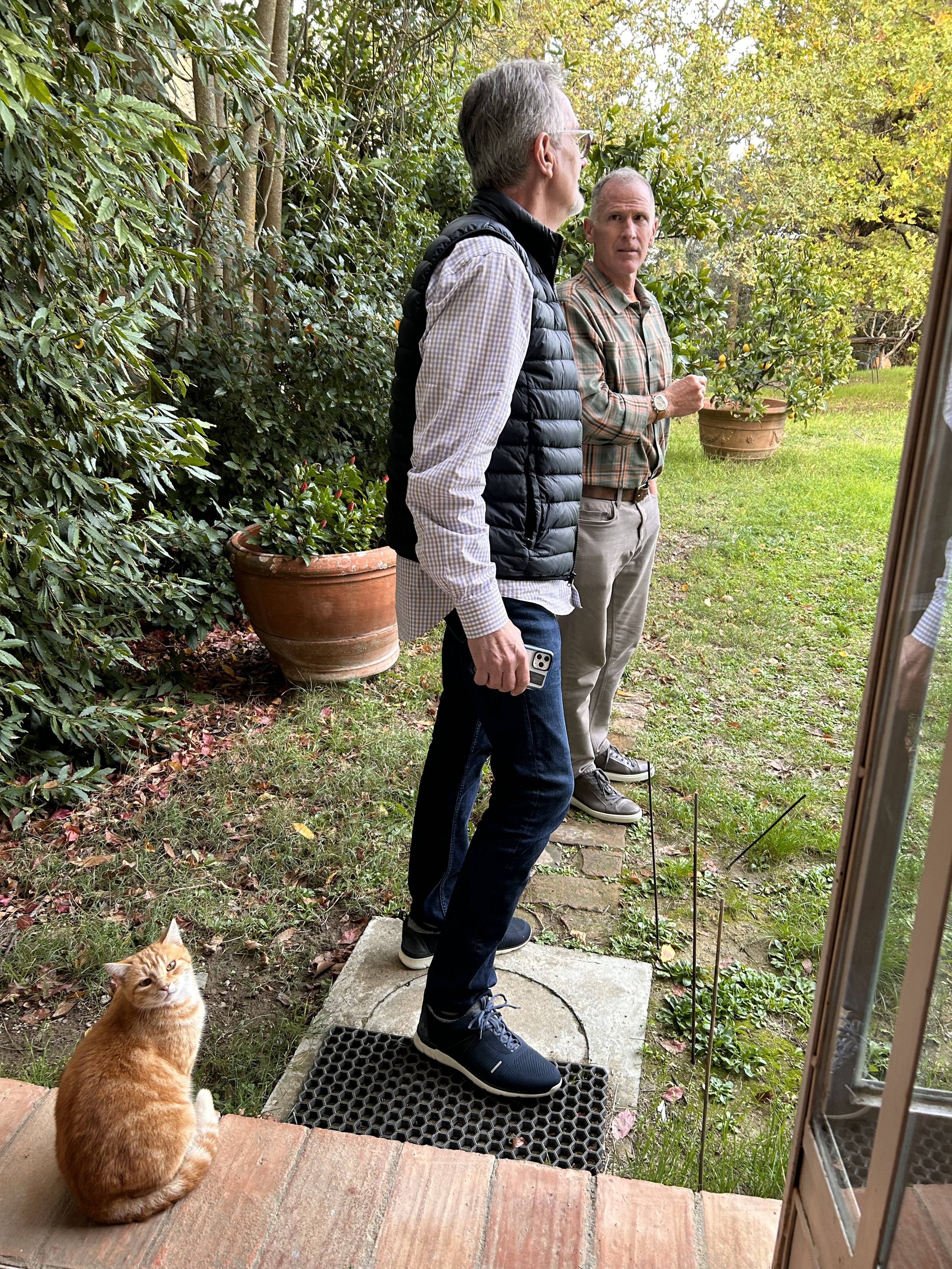
We were fortunate enough to be among those visitors, having had the rare opportunity to spend time with Elisabetta herself at the vineyard. To say it was an impactful moment of my life would be an understatement. It was the kind of experience that quietly reshapes the way you think about wine, about land, and about what it means to truly dedicate a life to something. Elisabetta graciously shared her history with us, walking us through decades of intention, struggle, and unwavering devotion to her craft. The passion with which she speaks is not performed. It lives in her, radiates from her, and finds its way into every bottle she produces. It is impossible to stand in that place, listening to her, and not feel it transfer to you in some way. We carried that feeling home with us, and when we had the privilege of pouring her wines at our first wine bar, we told her story to anyone who would listen. Her wines were never just something to taste, they were something to understand. It is a memory I will never forget and one I hope to honor every time her name is spoken.
To learn more about the Sergio the Patriarch Foundation: sergiothepatriarch.org
The estate: montenidoli.com